Genre: Drama/Miniseries/Biographical
No. of episodes:8
Presented by: Apple TV+
“Far and away the best prize that life offers is the chance to work hard at work worth doing.”
-Theodore Roosevelt
There are certain business stories, which begin with a whisper of promise . These are the stories which are fuelled by an intoxicating ethos of “fake it till you make it” culture. However, this very spirit can transform into a dangerous illusion of delusion. This not only misleads but fundamentally undermines the very foundations of such businesses. This is because it leads to the creation of an ecosystem which is fabricated in nature. This week’s feature unravels one such gripping narrative. It traces the meteoric rise and precipitous fall of a business idea that promised to revolutionize its industry, only to spectacularly unravel. Journey with me as I dissect where things went wrong and what are the lessons that one can learn as a potential investor or as an innovator.
Synposis: WeCrashed explores the rapid rise and catastrophic fall of WeWork through the lens of its mysterious co-founder Adam Neumann and his equally ambitious wife Rebekah. The series begins with Adam’s early entrepreneurial ventures which include a baby clothes company and a removable heel which is supposed to be the next ‘big thing in the fashion industry.’ But , in 2010, he dives into creating WeWork alongwith co-founder Miguel McKelvey.
What starts as a straightforward idea for a co-working space converts into a grand vision. A vision which promises to completely transform the way we live, work and connect. This journey from zero to being a multi-billion dollar enterprise is documented meticulously. It showcases how by being magnetic , Adam and his wife attract investment from major players like Softbank.
But with explosive growth, a hidden tragedy begins to unfold. This unravels in the form of inflated egos and highly erratic behaviour. The rapid expansion fueled by ambition also leads to intense burning of cash and a long list of personal indulgences.A toxic dynamic is formed as business decisions are not taken on sound business strategy . Instead, they are influenced by personal whims and pseudo-spiritual philosophies which slowly unravels the weight of its unbridled ambition.
How does this affect the future of the company? Is the so-called future enable to realize its vision or does the future look bleak as growth explodes?Did this pique your curiosity? To uncover the truth,tune into the series and find out. The answers might startle you.
Assessment: WeCrashed succeeds as both -entertainment as well as a cautionary tale. It functions seamlessly as a business thriller, a character study and a broader commentary on startup culture and late-stage capitalism.
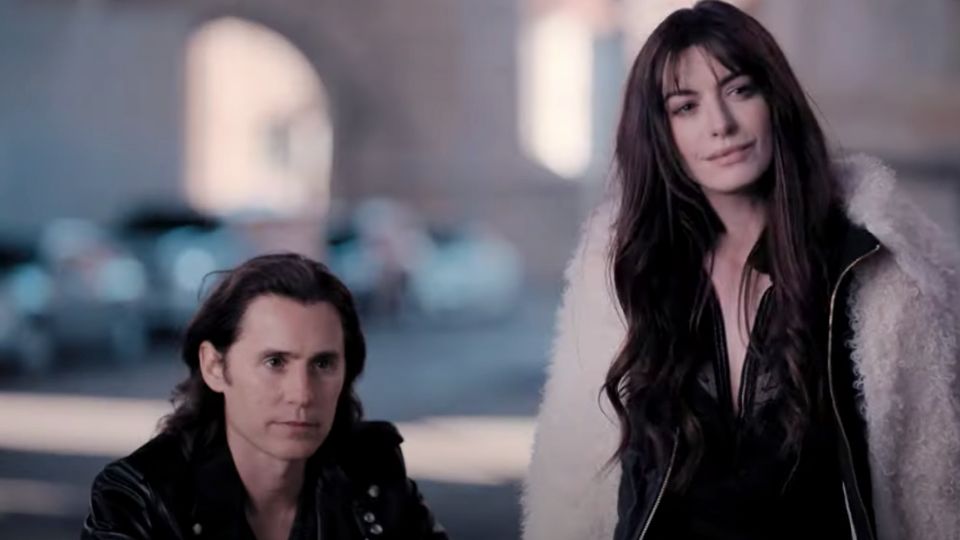
Jared Leto portrays a character which is complex in nature . A character that genuinely believes in his vision but is disconnected from reality. The protagonist is so charismatic and compelling that it mixes enthusiasm with narcissism. This makes him sympathetic as well as infuriating in nature.
Anne Hathaway too is portrayed as someone who is responsible for creating an environment where business decisions are taken based on energy readings and mystical insights rather than financial data.
The attention to detail ingrained in the writing is worth mentioning as it attempts to make terms used in business user-friendly. Though the business part is given importance but it is also given a dash of human touch.
The series also captures the aesthetic excess of the company perfectly.The production design effectively uses WeWork’s actual spaces and branding to create authenticity while also highlighting the company’s obsession with image over substance.
The View: WeCrashed operates as a sophisticated examination of interconnected themes that resonate beyond the business world. It serves as a sharp critique of the ecosystem of venture capital ecosystem. It showcases how investors, caught up in the fear of missing out on the next big thing, abandoned traditional due diligence in favor of betting on charismatic founders and growth-at-all-costs mentality. The portrayal of SoftBank’s Masayoshi Son illustrates how even experienced investors can be swept up in the mythology of disruptive innovation.
More fundamentally, the show explores the dangerous intersection of capitalism and spirituality that characterized the Silicon Valley in 2010. This spiritual capitalism often served as a mask for traditional greed and exploitation.
The gender dynamics in the series are also well-handled. Rebekah’s character explores her attempts to build her own identity which are portrayed with both empathy and criticism.
It also functions as a broader meditation on the American Dream and its perversions. It chronicles a tale about what happens when the pursuit of success becomes disconnected from any meaningful values or constraints.
And most importantly, it highlights how employees, investors, and media all played roles in perpetuating the WeWork myth despite having access to information that should have raised red flags.
What makes it a compelling watch that it portrays how the company’s culture of relentless positivity and spiritual mission-speak made it difficult for people to voice concerns or acknowledge obvious problems.
The series succeeds because it is about the systems, incentives, and cultural moments that lead to a rise and fall of a system. It serves as both entertainment and education providing viewers with insights into how modern capitalism operates and how easily vision can become delusion when unchecked by accountability or genuine feedback. It offers valuable lessons about the importance of due diligence, honest leadership, and the dangers of conflating growth with success. Most importantly, it reminds us that behind every business story are real people whose lives are affected by the decisions made in boardrooms and executive suites.
It serves as a compelling reminder that the most dangerous kind of leadership is often the kind that believes its own hype, and that the line between visionary and delusional can be thinner than we’d like to admit.
Baap dialogue: “We’re not just a company, we’re a movement. You can’t put a price on consciousness.”
Rating: ***
Que: What is the name of the first company Adam starts?
a. Krawlers
b. BabyBoom
c. BabiesCo.
If this extensive review of WeCrashed appeals to you, you can watch it on Apple TV+, which is available with a subscription. Also, it is available for purchase or rental on major digital platforms like Amazon Prime Video, iTunes, and Google Play.
The link for the same is available in the synopsis. Clicking on the same may help me earn a small commission.
Whether you need a compelling blog content, engaging articles for your publication, or thoughtful analysis pieces like this one, I’d love to help bring your ideas to life. I believe great content should be both informative and genuinely engaging—writing that people actually want to read and share. Drop a line here stating your requirements.
Additionally, if this analysis resonates with you, I would be delighted if you could share it with others who might find it interesting. You can also share your thoughts as they help create meaningful conversations.
Your shares not only help this content reach people who might enjoy it, but they also support independent content creators like me who pour time and passion into crafting these detailed analyses.

 The Expression Hub
Leave a comment