Author:Elliot Katz
Genre:Non-fiction
“A man is only strong as the woman who holds him”
-Beverly Jenkins
November is here. Time to celebrate the men in our lives.
Think about your dad who’s always been there. Your brother who never let you down. Your son who makes you beam with pride. That nephew who cracks you up. And your partner—whether he’s your husband, boyfriend, or fiancé. These guys have shaped who you are. They’ve shown up when it mattered. And honestly? We don’t thank them enough.
You’ve heard it before. Men are from Mars. Women are from Venus. Sounds cheesy, sure. But there’s truth in it. Men and women think differently. They feel differently. And that’s perfectly fine. The trick is in understanding each other better.
And I feel this comes perfectly at a time when cheating and infidelity is at an all high. Hopefully, this will serve as an antidote for the same. After all, cheating and infidelity is completely normal even though it is not.
About the book:
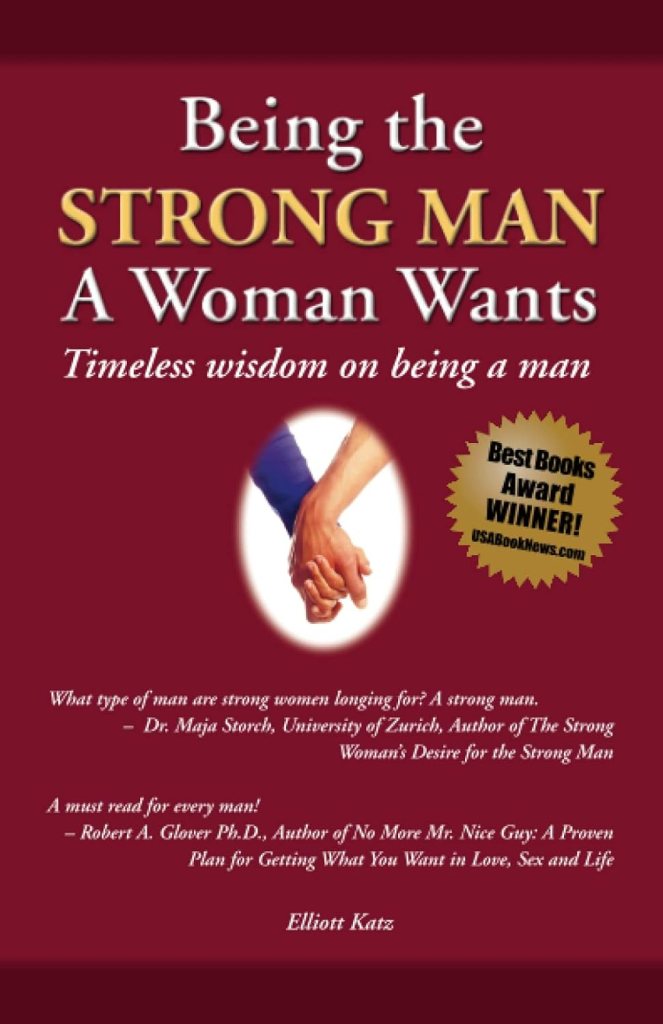
Elliott Katz’s book “Being the Strong Man a Woman Wants” sparked considerable conversation when it challenged conventional relationship advice. While the title might initially suggest old-fashioned gender dynamics, Katz’s actual message is far more nuanced and practical than many realize. His work addresses a genuine problem many men face: the confusion between being accommodating and being weak, between being considerate and losing yourself in a relationship.
He opens with a premise that resonates with many men: being overly accommodating doesn’t create attraction or respect—it often undermines both. He shares his own story of bending over backwards in relationships, saying yes to everything, and ultimately finding that this approach led to resentment on both sides.
The “nice guy” trap isn’t about being kind or considerate. It’s about abandoning your own needs, opinions, and boundaries in a misguided attempt to keep the peace or win affection. When you consistently prioritize your partner’s wants over your own legitimate needs, you’re not being noble—you’re being dishonest about who you are and what matters to you.
Katz argues that women don’t actually want a man who agrees with everything they say or abandons his plans whenever she changes her mind. What they want is a partner who shows up as a complete person with his own thoughts, preferences, and backbone.
Another thing he discusses is that the strong man in Katz’s framework doesn’t dictate to his partner; he takes responsibility for his own life and decisions, rather than deferring everything to her or blaming her when things go wrong. This approach acknowledges that healthy relationships have a certain polarity and tension. When one partner consistently defers to the other, that tension disappears—and often, so does the attraction.
This and many such pieces of advice is what is given to us in a story format wherein a grandfather and his grandson undertake a trip to discuss how to become a better husband.
Analysis: Katz’s fundamental insight is valuable: many men do sabotage their relationships by being overly accommodating, abandoning their boundaries, and losing themselves in the process. His call for men to maintain their identity, have standards, and show leadership addresses a real problem.
However, his framework has limitations. The book can sometimes read as overly prescriptive about gender roles, and it doesn’t fully account for the diversity of relationship dynamics that work for different couples. Some partnerships thrive with varying balances of power than Katz describes, and that’s perfectly valid.
Additionally, while Katz emphasizes that his approach isn’t about being domineering, the language of “strength” and “leadership” can easily be misconstrued or taken too far. The line between healthy assertiveness and toxic dominance requires wisdom and self-awareness to navigate.
The strongest relationships are those where both partners bring their full selves to the table, communicate openly, and work together to create something that works for them specifically—not for some generic relationship template.
The Verdict: This book is for people who feel like you’ve lost yourself in your relationship. You’re always saying yes. Always accommodating. Always putting yourself last. And somehow, it’s not making things better. Or struggle with setting boundaries. You worry that standing up for yourself will cause conflict. So you stay quiet. And the resentment builds. Or are willing to challenge conventional relationship advice. You’re open to perspectives that might feel uncomfortable at first. You can read critically and take what works for you.
Skip it if you want egalitarian relationship adviceThe gendered language may frustrate you. Katz writes specifically about masculine strength and leadership. If that framing bothers you, there are better books out there.
Tend to take advice too literally. Some readers misinterpret Katz’s message as permission to be controlling or dismissive. If you’re prone to extremes, this might not be helpful.
Are looking for relationship repair techniques. This book is about preventing problems through better boundaries. It’s not about fixing communication issues, rebuilding trust, or working through specific conflicts.
Prefer research-based approaches. Katz writes from personal experience and observation. He’s not citing studies. He’s sharing what worked for him and the men he’s talked to.
This book fills a specific gap. It addresses men who’ve been too accommodating and lost themselves. For that audience, it’s genuinely helpful. Katz gives you permission to have standards. To maintain your identity. To stop being a doormat.
But it’s not universal wisdom. It won’t resonate with everyone. And that’s okay.
Read it with a critical mind. Take what applies to your situation. Leave what doesn’t. Use it as a starting point for self-reflection, not as a rigid rulebook.
Best paired with: Books on communication skills, emotional intelligence, and mutual partnership. Katz covers one piece of the puzzle. Not the whole picture.
Final verdict: Valuable for the right reader at the right time. Potentially problematic if misapplied or taken to extremes. Worth reading if you recognize yourself in the “nice guy” trap. Safe to skip if you’re already maintaining healthy boundaries and identity in your relationships.
Rating: ***
Ready to implement these principles in your own life?
Three steps you can take today:
- Identity audit: Write down ten things that matter to you independent of your relationship. These could be hobbies, values, friendships, or goals. How many of these are you actively maintaining?
- Boundary check: Identify one area where you’ve been overly accommodating out of fear rather than genuine preference. Practice expressing your actual preference this week.
- Read the source: If this resonates with you, pick up Elliott Katz’s “Being the Strong Man a Woman Wants” and engage with the full argument rather than summaries or interpretations.
Join the conversation: Share your experiences implementing these principles (what worked, what didn’t) in the comments below.
Also share it with someone who feels that they need to manage their marital lives in a proper manner. Maybe this post might be a game changer you might be just wanting.

 The Expression Hub
Leave a comment