• What makes a great husband?

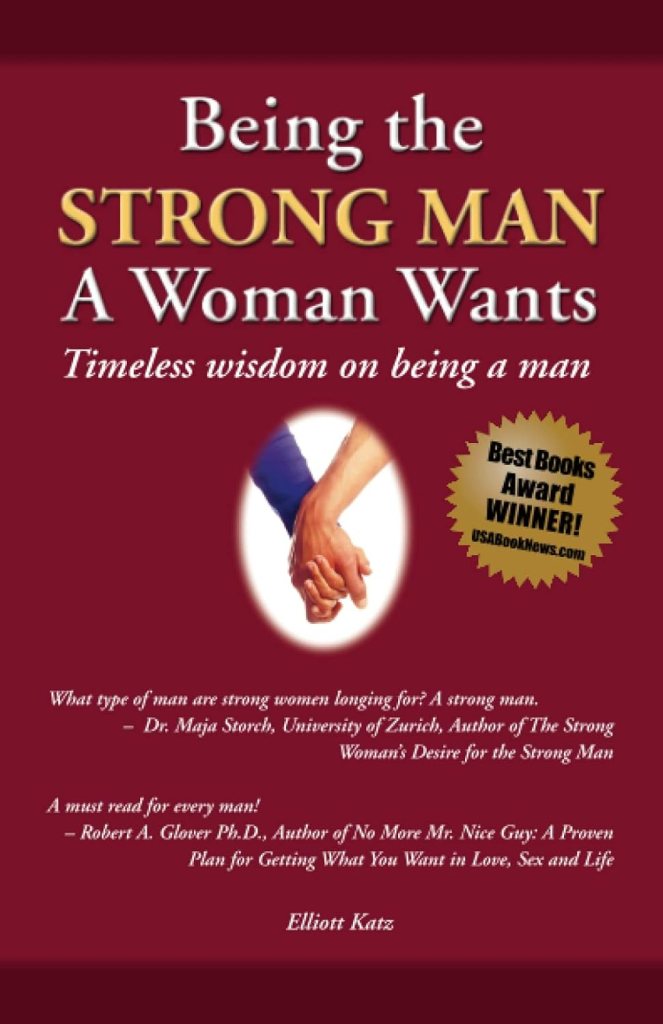
    Author:Elliot Katz

    Genre:Non-fiction

    “A man is only strong as the woman who holds him”

    -Beverly Jenkins

    November is here. Time to celebrate the men in our lives.

    Think about your dad who’s always been there. Your brother who never let you down. Your son who makes you beam with pride. That nephew who cracks you up. And your partner—whether he’s your husband, boyfriend, or fiancé. These guys have shaped who you are. They’ve shown up when it mattered. And honestly? We don’t thank them enough.

    You’ve heard it before. Men are from Mars. Women are from Venus. Sounds cheesy, sure. But there’s truth in it. Men and women think differently. They feel differently. And that’s perfectly fine. The trick is in understanding each other better.

    And I feel this comes perfectly at a time when cheating and infidelity is at an all high. Hopefully, this will serve as an antidote for the same. After all, cheating and infidelity is completely normal even though it is not.

    About the book:

    Elliott Katz’s book “Being the Strong Man a Woman Wants” sparked considerable conversation when it challenged conventional relationship advice. While the title might initially suggest old-fashioned gender dynamics, Katz’s actual message is far more nuanced and practical than many realize. His work addresses a genuine problem many men face: the confusion between being accommodating and being weak, between being considerate and losing yourself in a relationship.

    He opens with a premise that resonates with many men: being overly accommodating doesn’t create attraction or respect—it often undermines both. He shares his own story of bending over backwards in relationships, saying yes to everything, and ultimately finding that this approach led to resentment on both sides.

    The “nice guy” trap isn’t about being kind or considerate. It’s about abandoning your own needs, opinions, and boundaries in a misguided attempt to keep the peace or win affection. When you consistently prioritize your partner’s wants over your own legitimate needs, you’re not being noble—you’re being dishonest about who you are and what matters to you.

    Katz argues that women don’t actually want a man who agrees with everything they say or abandons his plans whenever she changes her mind. What they want is a partner who shows up as a complete person with his own thoughts, preferences, and backbone.

    Another thing he discusses is that the strong man in Katz’s framework doesn’t dictate to his partner; he takes responsibility for his own life and decisions, rather than deferring everything to her or blaming her when things go wrong. This approach acknowledges that healthy relationships have a certain polarity and tension. When one partner consistently defers to the other, that tension disappears—and often, so does the attraction.

    This and many such pieces of advice is what is given to us in a story format wherein a grandfather and his grandson undertake a trip to discuss how to become a better husband.

    Analysis: Katz’s fundamental insight is valuable: many men do sabotage their relationships by being overly accommodating, abandoning their boundaries, and losing themselves in the process. His call for men to maintain their identity, have standards, and show leadership addresses a real problem.

    However, his framework has limitations. The book can sometimes read as overly prescriptive about gender roles, and it doesn’t fully account for the diversity of relationship dynamics that work for different couples. Some partnerships thrive with varying balances of power than Katz describes, and that’s perfectly valid.

    Additionally, while Katz emphasizes that his approach isn’t about being domineering, the language of “strength” and “leadership” can easily be misconstrued or taken too far. The line between healthy assertiveness and toxic dominance requires wisdom and self-awareness to navigate.

    The strongest relationships are those where both partners bring their full selves to the table, communicate openly, and work together to create something that works for them specifically—not for some generic relationship template.

    The Verdict: This book is for people who feel like you’ve lost yourself in your relationship. You’re always saying yes. Always accommodating. Always putting yourself last. And somehow, it’s not making things better. Or struggle with setting boundaries. You worry that standing up for yourself will cause conflict. So you stay quiet. And the resentment builds. Or are willing to challenge conventional relationship advice. You’re open to perspectives that might feel uncomfortable at first. You can read critically and take what works for you.

    Skip it if you want egalitarian relationship adviceThe gendered language may frustrate you. Katz writes specifically about masculine strength and leadership. If that framing bothers you, there are better books out there.

    Tend to take advice too literally. Some readers misinterpret Katz’s message as permission to be controlling or dismissive. If you’re prone to extremes, this might not be helpful.

    Are looking for relationship repair techniques. This book is about preventing problems through better boundaries. It’s not about fixing communication issues, rebuilding trust, or working through specific conflicts.

    Prefer research-based approaches. Katz writes from personal experience and observation. He’s not citing studies. He’s sharing what worked for him and the men he’s talked to.

    This book fills a specific gap. It addresses men who’ve been too accommodating and lost themselves. For that audience, it’s genuinely helpful. Katz gives you permission to have standards. To maintain your identity. To stop being a doormat.

    But it’s not universal wisdom. It won’t resonate with everyone. And that’s okay.

    Read it with a critical mind. Take what applies to your situation. Leave what doesn’t. Use it as a starting point for self-reflection, not as a rigid rulebook.

    Best paired with: Books on communication skills, emotional intelligence, and mutual partnership. Katz covers one piece of the puzzle. Not the whole picture.

    Final verdict: Valuable for the right reader at the right time. Potentially problematic if misapplied or taken to extremes. Worth reading if you recognize yourself in the “nice guy” trap. Safe to skip if you’re already maintaining healthy boundaries and identity in your relationships.


    Rating: ***


    Ready to implement these principles in your own life?

    Three steps you can take today:

    1. Identity audit: Write down ten things that matter to you independent of your relationship. These could be hobbies, values, friendships, or goals. How many of these are you actively maintaining?
    2. Boundary check: Identify one area where you’ve been overly accommodating out of fear rather than genuine preference. Practice expressing your actual preference this week.
    3. Read the source: If this resonates with you, pick up Elliott Katz’s “Being the Strong Man a Woman Wants” and engage with the full argument rather than summaries or interpretations.

    Join the conversation: Share your experiences implementing these principles (what worked, what didn’t) in the comments below.


    Also share it with someone who feels that they need to manage their marital lives in a proper manner. Maybe this post might be a game changer you might be just wanting.

    Continue reading →: What makes a great husband?
  • Starring: James Stewart, Donna Reed, Lionel Barrymore, Thomas Mitchell

    , Henry Travers,Beulah Bondi, Frank Faylen

    Directed by: Frank Capra

    “Through hardwork, perseverance and a faith in God, you can live your dreams.”

    -Ben Carson

    There’s a classic film that the world has claimed as a Christmas tradition. Every December, it plays on screens around the globe, wrapped in snow and sentiment. The holiday lights twinkle. The music swells. And we’ve all agreed: this is the Christmas movie.

    But here’s what most people miss: this film isn’t really about Christmas at all. Yes, it happens to be set during the holidays. Yes, there are festive elements that make it feel seasonal. But strip away the tinsel and the timing, and what you’re left with is something far more universal. This is a story about crisis. About questioning your worth. About standing at a crossroads and wondering if you have the strength to keep going. These moments don’t arrive with a calendar date. They show up unannounced, uninvited, in the middle of ordinary weeks.

    That’s exactly why I’m writing about it now, months away from December. Because the message this film carries isn’t seasonal—it’s urgent. Right now, someone needs to hear what this story has to say about second chances. About faith when everything feels dark. About discovering that the life you thought was small might actually be extraordinary. This isn’t holiday content. This is survival content. This is hope content. And it deserves to be watched, discussed, and felt whenever we need it most—not just when the calendar tells us to.

    Intrigued? Stick with me. I promise this week’s pick will surprise you—and maybe even change you.

    Storyline:

    Its a Wonderful Life tells the story of George Bailey. He’s a small-town dreamer stuck in Bedford Falls, running his father’s modest Building and Loan business. He wanted to travel the world. Build skyscrapers. Do something big.

    Instead, he’s approving home loans and arguing with the greedy banker Mr. Potter.

    Then crisis hits. George faces financial ruin and possible jail time through no fault of his own. On Christmas Eve, standing on a bridge in the snow, he wishes he’d never been born.

    Enter Clarence, a bumbling angel who shows George what Bedford Falls would look like without him.

    Will George be able to redeem himself or will he take drastic steps and end it all? What are the lessons and realizations that he will This is something that one needs to find out about .

    The Scrutiny:

    This movie isn’t just a feel-good film with a nice message. It’s a masterclass in storytelling. And once you see how carefully it’s built, you can’t help but be amazed.

    The way the story unfolds is absolutely genius. Most movies rush straight to the drama. They throw the main character into chaos in the first twenty minutes and spend the rest fixing it. But this film? It takes its sweet time. It shows us years of the protagonist’s life, one piece at a time. We see the dreams they had to let go. The chances they missed. The tiny disappointments that piled up over the years. So when the crisis finally hits, we don’t just watch it happen—we feel it. We’ve been walking in their shoes the whole time. We understand exactly why they’re breaking down. That’s powerful storytelling. It trusts us enough to care about the slow build, not just the big moment.

    The villain is absolutely perfect. Not because he’s evil or over-the-top, but because he’s everything the hero is not. Where the hero is kind, he’s cold. Where the hero gives, he takes. Where the hero cares, he calculates. And here’s the thing—his arguments actually make sense. He offers our hero money, comfort, an easier life. The movie doesn’t pretend that being good is simple. It shows us the real price tag. It forces us to face an uncomfortable truth: doing the right thing costs you something. The villain isn’t just an enemy. He’s a reminder of what life could’ve been if the hero had chosen differently. And that makes the hero’s choice to stay true to themselves even more meaningful.

    The ending hits perfectly. Not just because it’s happy, but because it proves something beautiful: your kindness doesn’t disappear. It grows. All those small acts of love? Those times you helped when no one noticed? They weren’t wasted. They were seeds. And the ending shows those seeds blooming in the most unexpected way. In a world where we’re all chasing likes and instant validation, this movie reminds us that real impact takes time. It grows quietly. You might not see it today or tomorrow. But one day, when you need it most, you’ll discover that all those small good things you did? They mattered. People remember. Love returns. Not because you earned it, but because you planted it. It’s an ending that doesn’t just make you smile—it makes you believe again. In goodness. In people. In the quiet power of showing up.

    The Sentiment:

    There’s a reason this film bombed at the box office in 1946 but somehow became a cultural phenomenon decades later.

    We needed time to understand it. And now? We need it more than ever.

    Think about the world we’re living in right now. We’re anxious about AI taking our jobs. We scroll through social media and watch everyone else’s highlight reel while sitting in our pajamas at 2 PM. We’re told to monetize every hobby, turn every passion into a side hustle, and build a personal brand or risk becoming irrelevant.

    We’re constantly asking ourselves: Am I doing enough? Being enough? Achieving enough?

    The pressure is crushing. The comparison is endless. The finish line keeps moving further away.

    And into all this noise and chaos, this film leans in close and whispers something we’ve forgotten:

    Ordinary goodness is extraordinary.

    The main character never goes viral. His small business doesn’t disrupt any industry or make headlines. He never gives a TED Talk about his impact. He doesn’t have a million followers or a blue checkmark. Nobody’s writing think pieces about his innovation.

    He just shows up. Day after day. Year after year. Helping people in ways that never trend.

    But here’s the beautiful part: when he needed help, his entire town showed up for him. Every single person he’d quietly helped over the years came through his door. Not because he was famous. But because he’d been faithful.

    That’s the dream, isn’t it?

    Not the viral moment. Not the empire. Not the Forbes list.

    The dream is simpler and somehow more profound: to know that our presence mattered. That real people’s lives are genuinely better because we existed. That when we fall, hands reach out to catch us—not because we’re impressive, but because we were kind.

    Not because we performed for an audience. But because we cared for actual humans.

    Not because we achieved something Instagram-worthy. But because we practiced everyday goodness when nobody was watching.

    This film reminds us of something beautiful: the most meaningful impact often happens in the shadows. In quiet conversations over coffee. In showing up when it’s inconvenient. In small acts of generosity that no algorithm will ever track.

    And maybe—just maybe—that’s not settling for less.

    Maybe that’s actually everything that matters.

    Rating: ***

    Quote-Unquote: “Strange, isn’t it? Each man’s life touches so many other lives. When he isn’t around he leaves an awful hole, doesn’t he?” (Clarence to George)


    Here’s what I want you to do.

    If you’ve never seen It’s a Wonderful Life: Watch it this week. Not as background noise. Really watch it. Let yourself feel George’s desperation. Let yourself be moved by the ending.

    If you’ve seen it before: Watch it again, but this time, watch for yourself. Notice which moments hit differently now than they did before. Notice what you’re carrying that George carried.

    Then do something radical.

    Thank someone who’s been your George Bailey. Call them. Text them. Write them a letter. Tell them specifically how they changed your life with their “small” acts of kindness.

    Because here’s what the film teaches us: George spent years not knowing his impact. Don’t let the Georges in your life wonder.


    If this post resonated with you, share it.

    Not because I need the clicks (though I appreciate them). But because somewhere in your network is someone standing on their own metaphorical bridge.

    Someone who feels stuck. Someone who thinks their life is too small to matter. Someone who’s comparing their behind-the-scenes to everyone else’s highlight reel.

    They need to hear this message.

    Tag someone who needs to watch this movie. Better yet, watch it together. Make it an event. Ugly cry together. Talk about it afterward.

    And if you do watch it, come back and tell me: What hit you hardest? What scene wrecked you? What are you seeing differently about your own life?

    Let’s start a conversation. Because that’s what George Bailey’s story really is—a conversation about what makes a life truly rich.


    Que: What is the name of the town which exists when George is not around?

    a. Georgesville

    b. Marvel Park

    c. Pottersville

    d. PotterVilla

    Continue reading →: Second chances and power of faith
  • Genre: Drama/Slice Of Life

    Number of episodes:3

    Presented by: Dice Media

    “Give a girl the right kind of shoes and she will rule the world.”

    -Marilyn Monroe

    Happy Diwali, everyone!

    You know what makes this festival even more special? The way we dress up. The shimmer of silk. The glint of gold jewellery. That perfect outfit that makes you feel unstoppable.Fashion and Diwali have always gone hand in hand. So why not celebrate this festival of lights by diving into something equally dazzling—the cutthroat world of fashion itself?

    Let’s talk about a mini series that won’t be as theatrical as “The Devil Wears Prada” but will be raw, real, and absolutely riveting.Think about big brands hiding behind carefully curated Instagram feeds. And why should one care?

    Because fashion isn’t just about pretty clothes. It’s about identity. It’s about the stories we tell the world before we even open our mouths. And the people who control fashion? They’re shaping culture, influencing trends, and building empires while most of us are just trying to figure out what to wear tomorrow.

    So this Diwali, while you’re lighting diyas and celebrating with loved ones, get ready to illuminate another world entirely. A world where creativity meets commerce. Where art battles profit. Where one bold decision can change everything.

    The fashion industry is waiting. And trust me, it’s more captivating than any runway show you’ve ever watched.

    Are you ready to step inside?

    Let the series begin.

    Synopsis: High Heels revolves around Ayesha, a 22 year old rookie designer with raw talent and an insatiable hunger for success. This is her story as she navigates the fierce fashion world at Zahiraan.Zahiraan is an elite fashion house that is being redefined by Zahira, India’s fashion icon and matriarch, who’s making a daring shift towards wearable luxury.

    The series reveals the themes of ambition, mentorship, and the true price of success in an industry where creativity meets commerce, and dreams are stitched together with equal parts passion and pressure.

    The central question burns throughout: Can a newcomer with fresh ideas survive—and thrive—in an environment where tradition clashes with innovation, and where one wrong stitch can unravel an entire career?

    Assessment: The series captures the tension between haute couture and accessibility, between creating art and running a business. Zahira’s vision of “wearable luxury” is a question that real Indian fashion houses grapple with daily.

    It also takes into account of how a fresh perspective can collide beautifully with established protocols. She represents the new generation of designers. The designers who are unafraid to challenge conventions. Watching her navigate a world built on hierarchy and tradition becomes a masterclass in when to speak up and when to observe.

    The cinematography deserves special applause. The camera loves fabric the way a food show loves plating—lingering on textures, capturing how light plays on silk, showing the meticulous hand-work that goes into each piece. The workspace scenes feel authentic: cluttered cutting tables, fabric swatches pinned haphazardly, that specific organized chaos that defines creative spaces.

    Colour grading shifts with narrative tone. Early episodes burst with saturated colors reflecting Ayesha’s optimism. As challenges mount, the palette becomes more muted, mirroring her growing understanding of the industry’s harsh realities. It’s subtle filmmaking that enhances rather than overwhelms the story.

    But there are certain flaws as well which are listed below.

    For instance, certain character arcs deserve more breathing room.Certain character arcs deserve more breathing room.Some fashion industry veterans might find certain situations slightly dramatized, though not unrealistically so. The series walks a line between authentic representation and narrative excitement, and occasionally tips toward the latter.

    The partnership with L’Oréal Paris is visible—product placement is relatively subtle but present. It doesn’t derail the story, but eagle-eyed viewers will notice.

    Tanya Sharma shines as Ayesha. She captures the particular vulnerability of young creative professionals beautifully.

    Verdict: If you are a person who eats, breathes fashion then this one is definitely for you. It respects the craft while acknowledging the industry’s challenges. You’ll recognize references to real fashion world dynamics, from the terror of fashion week deadlines to the politics of fabric sourcing. It will captivate fashion enthusiasts that are hungry for industry-inside perspectives. Apart from that it will also appeal creative professionals navigating competitive fields. Or young professionals that deal with ambition and self doubt.

    Even if fashion isn’t your thing, the universal themes—mentorship, ambition, the struggle between artistic vision and practical constraints—transcend the specific industry.

    It’s a love letter to fashion written by someone who knows the industry well enough to acknowledge its flaws is how one can describe the experience.

    Rating: *** and 1/2 stars

    Baap dialogue: “You don’t have to apologize for anything. Your worth is your choice.”

    Que: What is the name of the app on which Tanya is asked to upload her designs?

    a. Hinge

    b. ProfessionMaker

    c. CareerLauncher

    d. YAB

    Loved this review? Share it with your fashion-loving friends and colleagues who need their next binge-watch recommendation!

    Continue reading →: Behind the Seams:When Fashion meets ambition

I’m Roshani

Welcome to The Expression Hub! I’m Roshani, who loves to express herself through the medium of writing. This blog is my little corner of the internet where I dive deep into the world of movies, books, and web series—reviewing, analyzing, and sometimes just ranting about the stories that make us laugh, cry, and question everything.

Beyond reviews, you’ll also find my personal musings—random thoughts, life reflections, and the occasional deep dive into the things that inspire me. Think of this as a space where art meets emotion, and where honest opinions matter more than star ratings.

Join me as we explore incredible stories together, one post at a time. Have a recommendation? Let’s talk—I’m always up for discovering something new!

Let’s connect

Design a site like this with WordPress.com
Get started